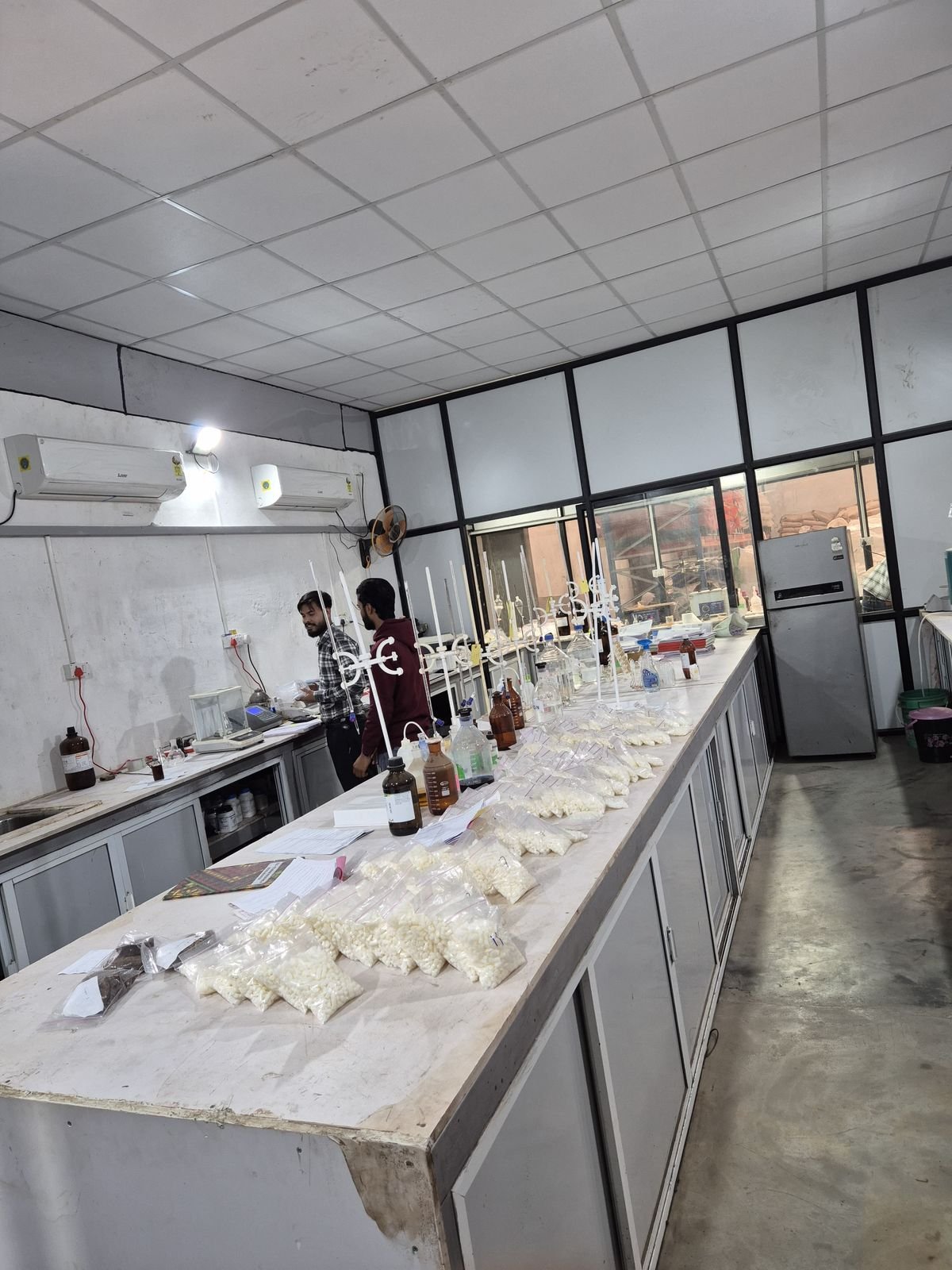
Oleochemicals from Anjar, Gujarat
PFAD and Distilled Fatty Acid Manufacturer in India
Aveer Oils and Fats Pvt. Ltd. is a third-generation oleochemical business with 500+ TPD combined capacity across splitting, distillation, hydrogenation and soap noodling. Talk to us about palm fatty acid distillate (PFAD), distilled soya fatty acid and other distilled fatty acids for your plant.
Share product, specification, monthly volume and delivery destination for a useful quote.
Manufacturer in GujaratFacility in Tappar, Anjar, Kutch
Distillation capabilityFatty acid splitting and distillation operations
Quality systemsGPCP, USQS, Smith Audit and URSA audit listed
What is palm fatty acid distillate (PFAD)?
Palm fatty acid distillate is a by-product of physical refining of palm oil. During deodorisation, free fatty acids are stripped from the oil and condensed, and the resulting material is PFAD. It is a semi-solid, brownish material that is rich in free fatty acids, mainly palmitic and oleic acid, with smaller amounts of glycerides, tocopherols and other minor components.
Where PFAD is used
- Feedstock for soap noodles and laundry or toilet soap bases
- Raw material for fatty acid distillation and fractionation
- Oleochemical derivatives such as esters and metal soaps
- Biodiesel and renewable fuel feedstock
- Animal feed energy ingredient, subject to grade and local rules
PFAD manufacturers and suppliers in India
PFAD is generated at palm oil refineries, so most buyers source from refiners, importers and oleochemical processors. For the buyer, the useful question is less "who has PFAD" and more "who can supply a consistent specification, lot after lot, with paperwork and logistics that match my plant".
Aveer processes fatty raw materials at its Anjar facility and lists splitting and distillation among its operations. Contact the team to confirm current PFAD availability, grade and volumes for your requirement.
Distilled fatty acid manufacturer: how the product is made
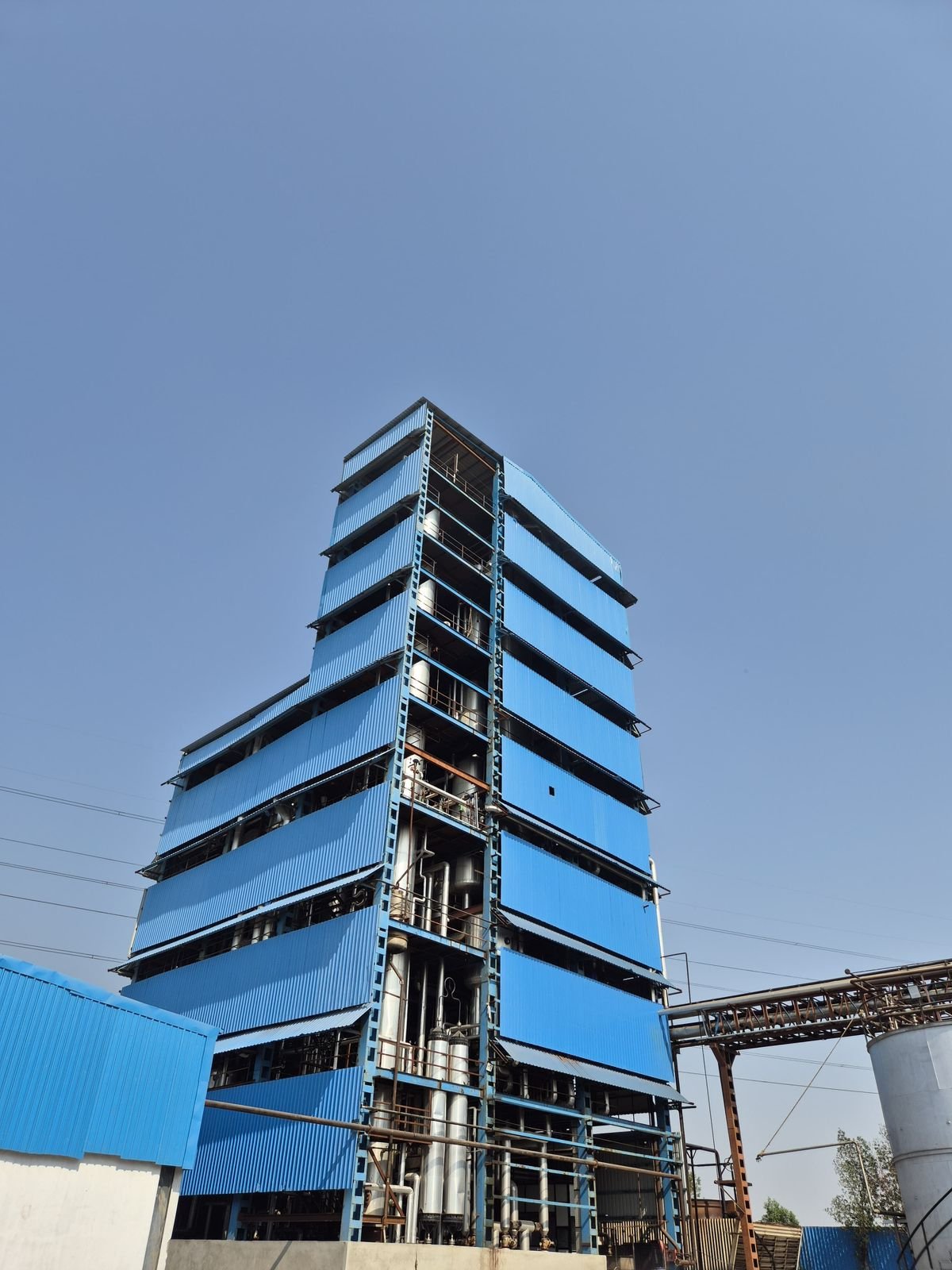
Distilled fatty acids are produced by splitting a fat or oil into fatty acids and glycerine, then purifying the fatty acids by vacuum distillation. Distillation removes colour bodies, odour and heavy residues, giving a cleaner and more consistent product than crude fatty acid. It can then be fractionated, hydrogenated or used as it is.
Fat splitting
Triglycerides are hydrolysed with water under heat and pressure into crude fatty acids and glycerine.
Vacuum distillation
Crude fatty acids are distilled under vacuum, separating them from colour, odour and heavy residue.
Fractionation
Where required, the distillate is separated into cuts by chain length for a tighter composition.
Hydrogenation
Unsaturated acids can be hydrogenated to raise stability and melting point, as in stearic acid.
Distilled soya fatty acid (DSFA)
Distilled soya fatty acid comes from soybean oil or soybean-derived streams. Unlike palm-based acids, it is rich in unsaturated fatty acids, mainly linoleic and oleic acid, so it is liquid at room temperature and has a much higher iodine value. That unsaturation is the reason it is chosen for alkyd resins, paints and coatings, dimer acids, lubricant additives, ester production and other chemistry that needs reactive double bonds. It also oxidises more easily than saturated acids, so storage and handling matter.
High free fatty acid by-product of palm refining. Used in soap, oleochemical and fuel feedstock applications.
Distilled and cleaner palm-based acid, used where colour, odour and consistency matter more than in PFAD.
Distilled soya fatty acid, unsaturated and liquid, used in coatings, resins and chemical intermediates.
Other distilled or fractionated cuts, discussed against your specification and volume.
| Typical characteristic | PFAD | Distilled soya fatty acid |
|---|---|---|
| Source | Palm oil refining by-product | Soybean oil or soybean-derived streams |
| Main fatty acids | Palmitic and oleic | Linoleic and oleic |
| Iodine value | Lower, in the range of roughly 45 to 55 | Much higher, commonly above 100 |
| Form at room temperature | Semi-solid to solid | Liquid |
| Common uses | Soap, fatty acid feedstock, fuels | Alkyds, coatings, dimer acids, lubricants |
Values are indicative only and vary by origin and producer. Always work from the supplier's technical data sheet (TDS) and lot-specific certificate of analysis (COA).
Specifications to compare before you buy
Two lots with the same product name can behave very differently in a reactor or soap line. Agree the acceptance limits in your purchase specification before the first dispatch.
| Ask the supplier | Why it matters |
|---|---|
| Can you supply a TDS and a lot-specific COA? | It lets your receiving team verify each delivery against the agreed limits. |
| What is the raw material origin? | Origin affects composition, traceability and sustainability documentation. |
| How is the product packed and loaded? | Bulk, drum or tank formats change handling, heating needs and freight cost. |
| How is a rejected lot resolved? | Agree inspection, notification and replacement steps in advance. |
Why buyers talk to Aveer Oils and Fats
Aveer was established in 2019 and builds on a family legacy of more than 42 years in oils and fats. Its sister concern has long been a supply partner to Hindustan Unilever India, and the company works with large FMCG buyers.
Manufacturing and logistics
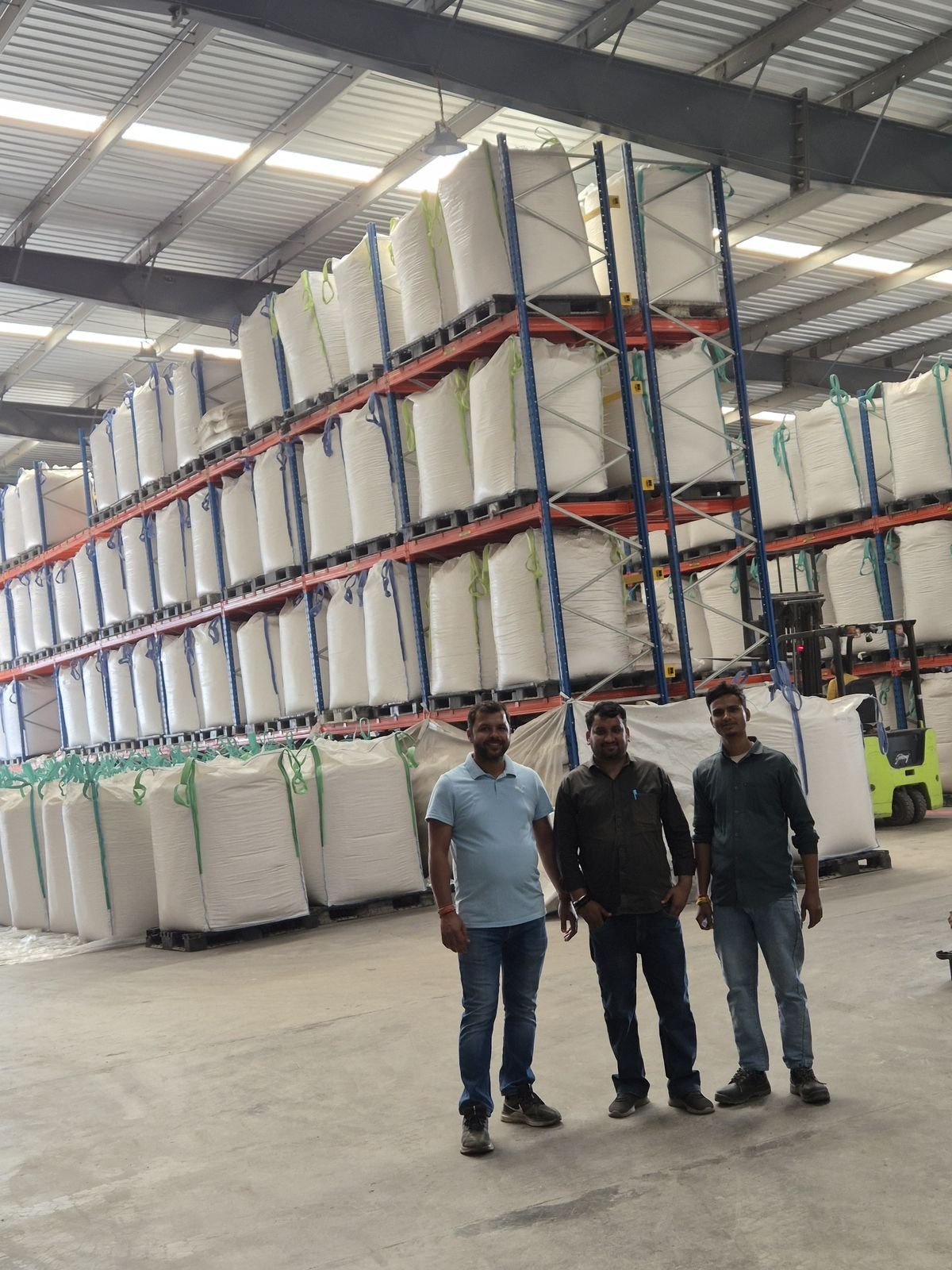
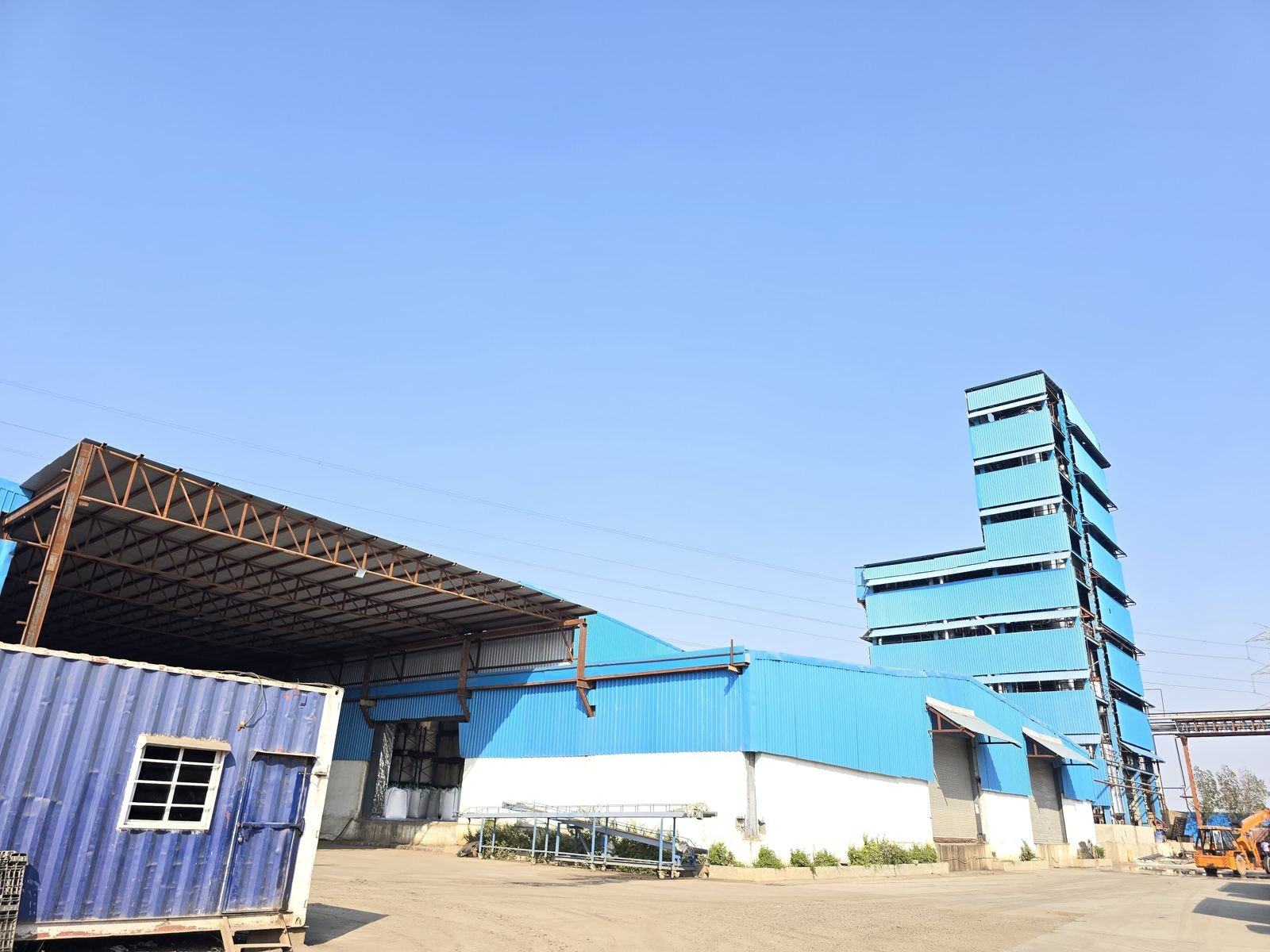
The Anjar plant in Tappar, Kutch combines splitting, distillation, hydrogenation and soap noodling at over 500 TPD in total. The site is close to the Deendayal (Kandla) and Mundra ports, with 30,000 sq. ft. of warehouse space and 2,000 tonnes of storage capacity, which supports domestic and export movement.
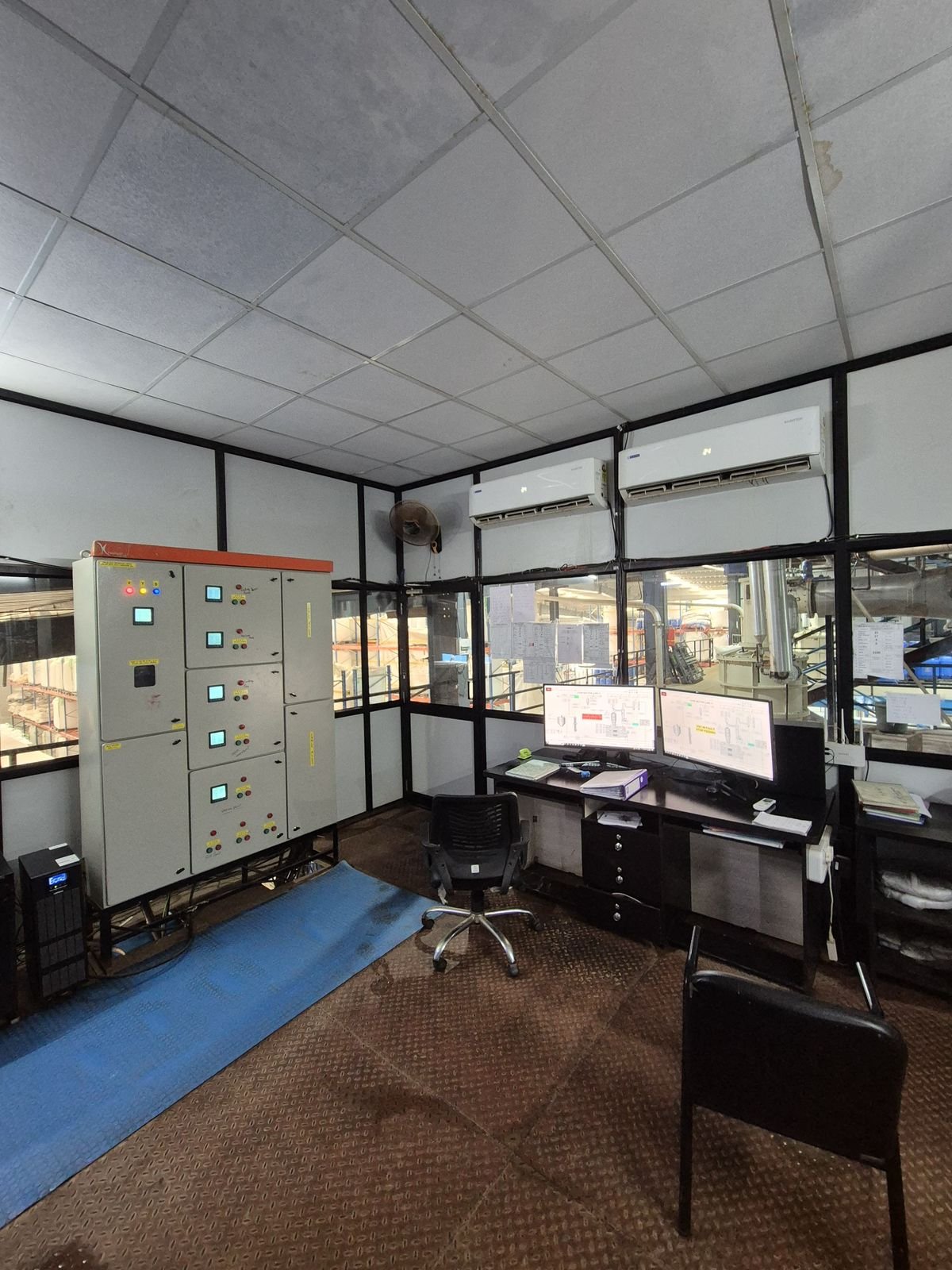
Aveer also lists contract manufacturing, strategic sourcing and quality assurance among its services, with GPCP, USQS, Smith Audit and URSA audit certifications.
PFAD and distilled fatty acid price
PFAD prices generally move with the palm oil market, then adjust for FFA content, quantity, packaging, freight and payment terms. Distilled soya fatty acid follows soybean oil markets and the grade required. No single price fits every buyer, so a written quote is the only reliable number.
For a quotation, send the product, target specification or TDS, monthly or one-time quantity, packaging preference, delivery location and target dispatch date. Ask for the price basis, validity, taxes, freight and payment terms in writing.
PFAD and distilled fatty acid FAQs
What is PFAD used for?
PFAD is mainly used as a feedstock for soap noodles and soap bases, for fatty acid distillation and oleochemical derivatives, and for biodiesel or renewable fuel production. Some grades also go into animal feed, subject to specification and regulation.
Who are the palm fatty acid distillate manufacturers in India?
PFAD is produced mainly by palm oil refiners and handled by importers and oleochemical processors. Aveer Oils and Fats operates fatty acid splitting and distillation at Anjar, Gujarat. Contact the team to confirm current PFAD availability and grades.
What is the difference between PFAD and distilled fatty acid?
PFAD is a refining by-product with high free fatty acid content and some impurities. Distilled fatty acid is made deliberately by splitting a fat and distilling the fatty acids, which gives a cleaner, lighter and more consistent product.
What is distilled soya fatty acid used for?
Its unsaturated composition suits alkyd resins, paints and coatings, dimer acids, lubricant additives and ester production. It is liquid at room temperature and should be stored with care because it oxidises more easily than saturated acids.
What specifications should I check?
For PFAD, check FFA, moisture and impurities, iodine value, colour and unsaponifiable matter. Compare the TDS with the lot-specific COA and agree limits in the purchase specification.
How do I get a current price?
Send the product, specification, quantity, packaging, destination and target dispatch date by email or phone to receive a written quotation.
Request PFAD and distilled fatty acid pricing
Send your product, specification, volume and delivery destination. Aveer's team can confirm current availability, grades and supply options.