Oleochemicals from Anjar, Gujarat
Lauric Acid Manufacturers and Suppliers in India
Lauric acid is the lauric-rich fatty acid behind surfactants, soaps, shampoos and a long list of chemical derivatives. Aveer Oils and Fats Pvt. Ltd. runs 500+ TPD of splitting, distillation, hydrogenation and soap noodling capacity in Gujarat. Share your lauric acid requirement and we will confirm current options.
Send grade, purity, monthly volume, packaging and delivery destination for a useful quote.
Manufacturer in GujaratFacility in Tappar, Anjar, Kutch
42+ year legacyThird-generation oils and fats family business
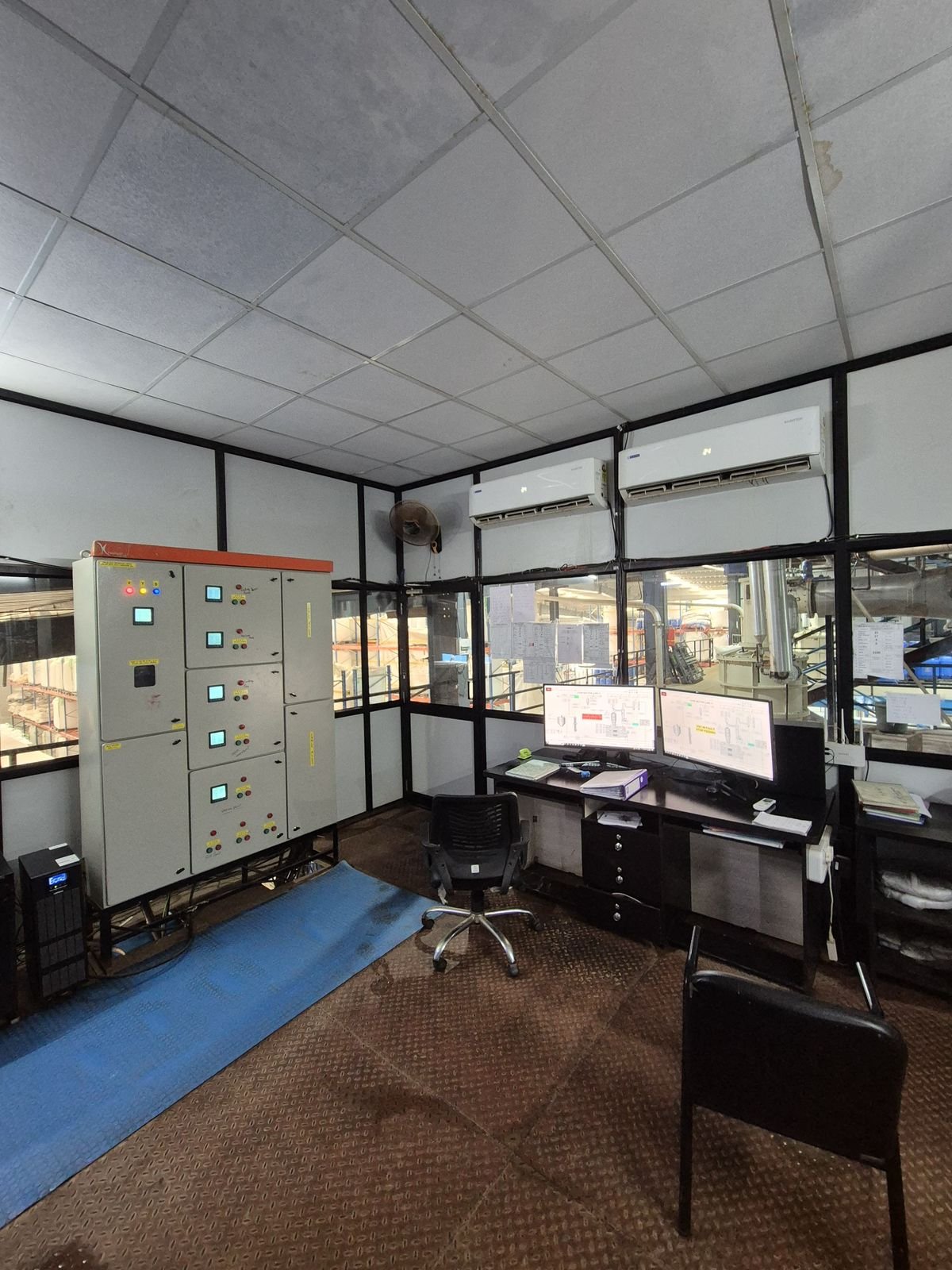
Quality systemsGPCP, USQS, Smith Audit and URSA audit listed
What is lauric acid?
Lauric acid (dodecanoic acid, C12H24O2) is a saturated fatty acid with a 12-carbon chain. It is a white, waxy solid at room temperature with a mild, soapy odour, and it melts at roughly 43 to 44 °C. It is the dominant fatty acid in the lauric oils, coconut oil and palm kernel oil, where it makes up roughly half of the fatty acid content.
Why lauric acid matters
The 12-carbon chain gives lauric acid a useful balance. It is long enough to give good detergency and foam when converted into surfactants, yet short enough to dissolve and lather quickly. That is why soap makers value lauric-rich fats, and why lauric acid is a core building block for personal care and cleaning products.
Manufacturers of lauric acid in India
Lauric acid is made by oleochemical plants that split and distil lauric oils. In India, buyers source from domestic oleochemical manufacturers, from importers, and from processors that tie supply to coconut or palm kernel oil.
Aveer lists fat splitting and distillation among its operations at Anjar. Contact the team to confirm whether lauric acid is available, in which grades and at what volumes.
How lauric acid is manufactured
Commercial lauric acid starts with a lauric oil and ends with a fractionated, purified acid. Each step affects purity, colour and the share of neighbouring chain lengths, so it is worth understanding before you compare suppliers.
Lauric oil feedstock
Coconut oil or palm kernel oil, chosen for its high share of C12 acid. Palm kernel oil comes mainly from palm-producing countries such as Indonesia and Malaysia.
Fat splitting
The oil is hydrolysed with water under heat and pressure into mixed fatty acids and glycerine.
Vacuum distillation
The mixed acids are distilled to remove colour, odour and heavy residue.
Fractionation
Distillation cuts separate C8 and C10 from C12, and C12 from C14 and above, to reach the target lauric purity.
Because coconut and palm kernel oil also contain myristic, palmitic, oleic and short-chain acids, the quality of the fractionation decides how pure the final lauric acid is. Where the grade needs it, the product can be hydrogenated to remove traces of unsaturated acid.
Lauric acid applications by industry
Most lauric acid is not used on its own. It is converted into salts, esters, alcohols and other derivatives, and the end use drives the purity you should ask for.
Raw material for lauryl sulfates and other surfactants used in shampoos, body wash and cleaning products.
Adds hardness and fast, rich lather to toilet and laundry soaps, usually through lauric-rich oils or the acid itself.
Used in creams, cleansers and as a base for esters and emulsifiers in personal care formulations.
Metal soaps, lubricants, plasticiser esters, candles and other chemical intermediates.
Lauric acid grades and specifications to compare
Lauric acid is commonly sold on purity, with grades in the high 90s percent and lower-purity cuts for soap and industrial use. The numbers below are indicative of what the market lists. Your own process and end product set the real limits.
| Ask the supplier | Why it matters |
|---|---|
| Do you supply a TDS and a lot-specific COA? | It lets you check each delivery against the agreed purity and chain length limits. |
| Is the feedstock coconut or palm kernel oil? | Origin affects traceability, sustainability paperwork and sometimes colour and odour. |
| What packaging and form are available? | Flakes, bags, drums or heated bulk change handling, melting needs and freight. |
| How are off-spec lots handled? | Agree inspection, notification and replacement terms before the first dispatch. |
Lauric acid suppliers: what to look for
A lauric acid supplier should be judged on more than the quoted rate. Lot-to-lot consistency, documentation and delivery reliability usually cost less than a failed batch.
Why buyers talk to Aveer
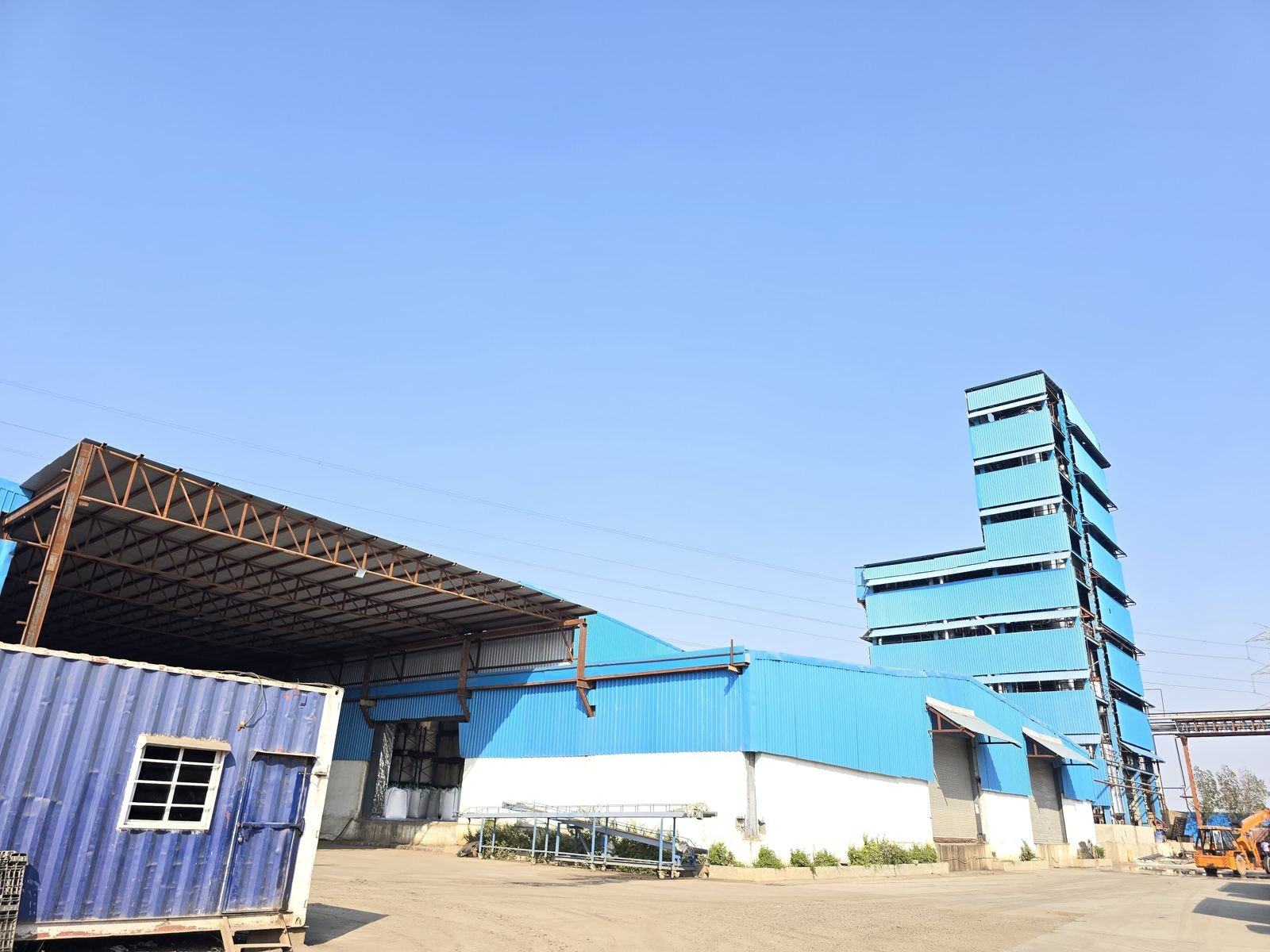
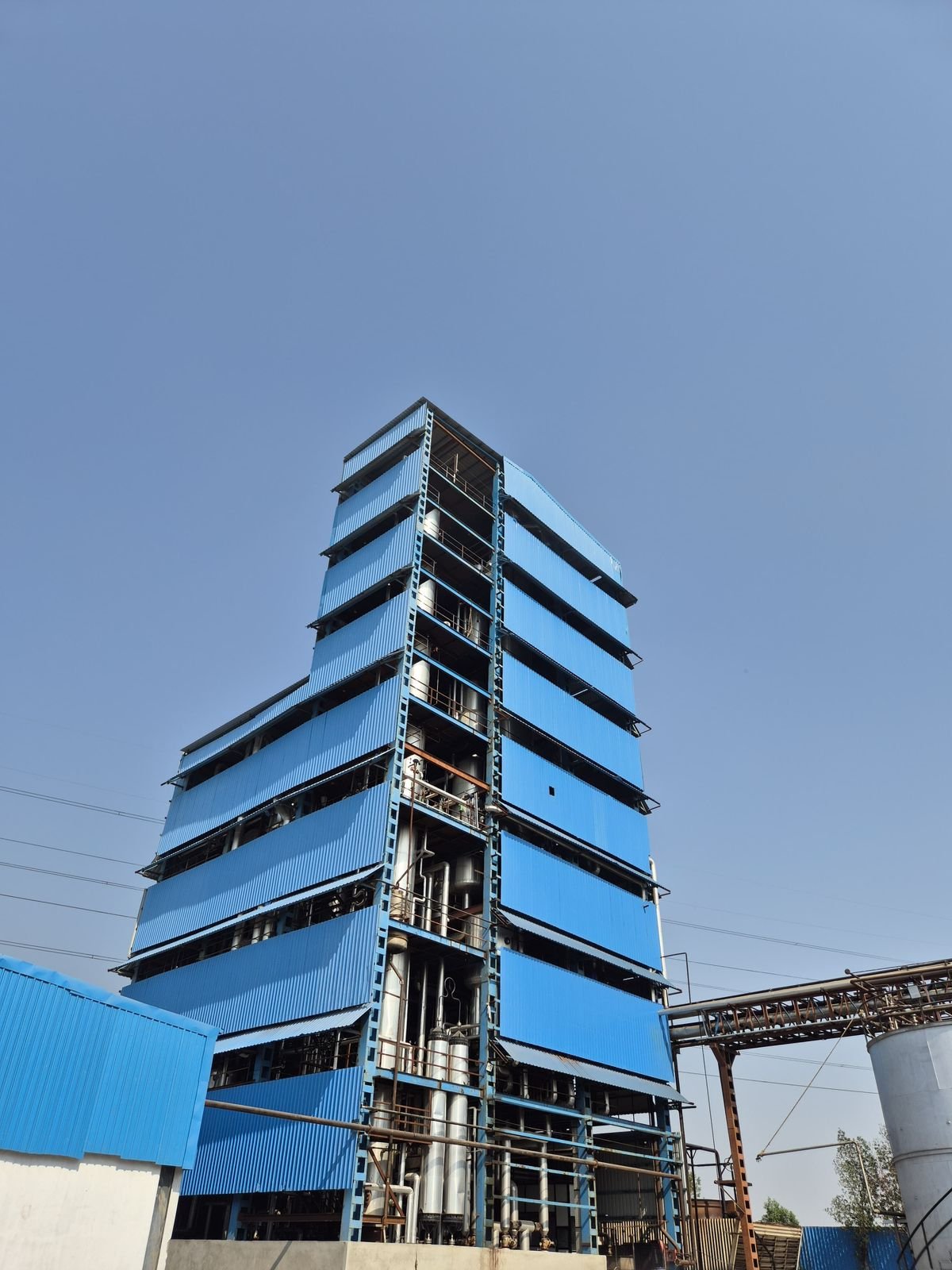
Aveer was established in 2019 on a family legacy of more than 42 years in oils and fats. Its Anjar plant in Tappar, Kutch combines splitting, distillation, hydrogenation and soap noodling at over 500 TPD, close to the Deendayal (Kandla) and Mundra ports.
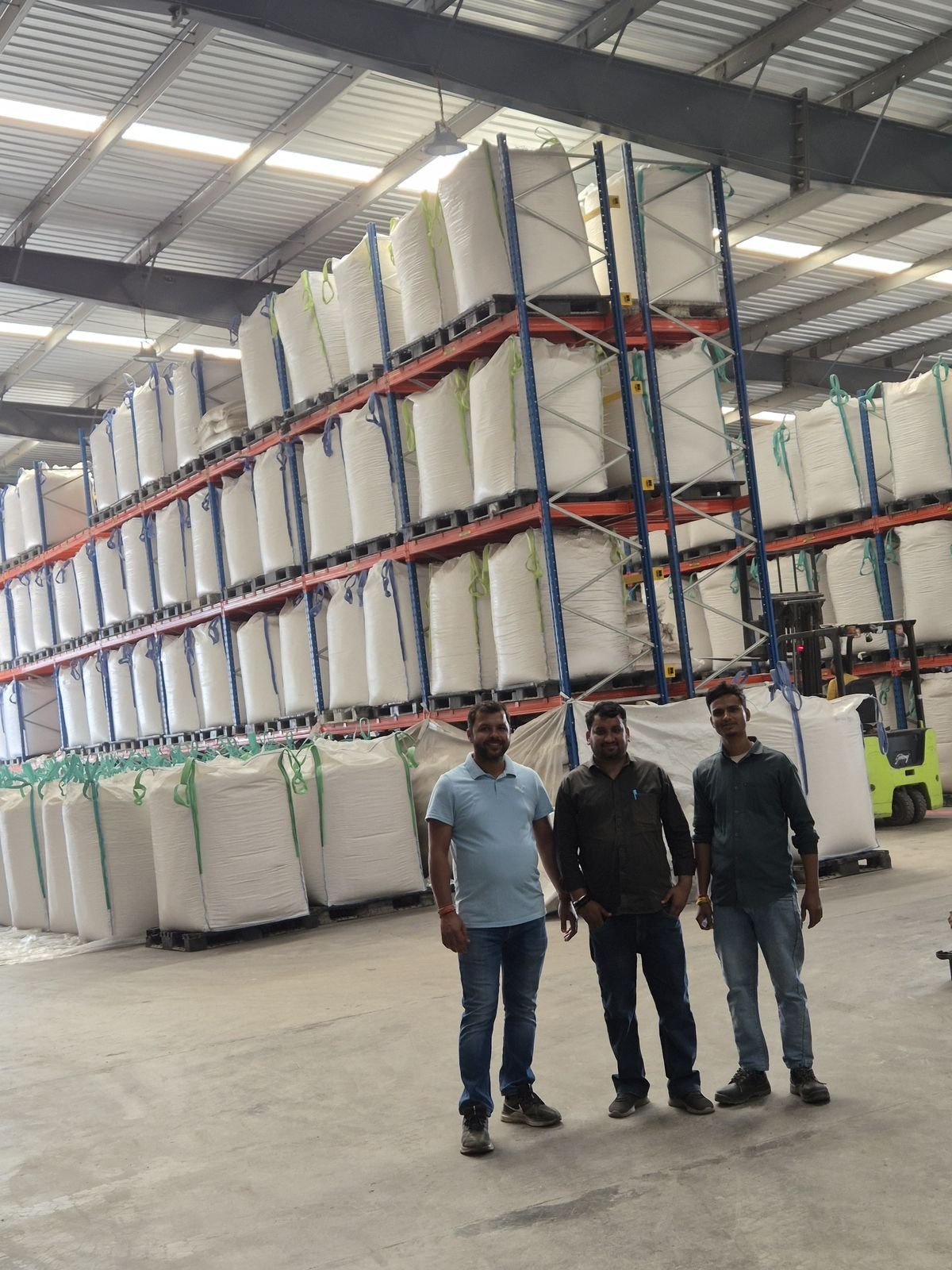
The company lists 30,000 sq. ft. of warehouse space, 2,000 tonnes of storage capacity, contract manufacturing and quality assurance services, which suits buyers who want one partner for sourcing, processing and dispatch.
Lauric acid price
Lauric acid prices follow the coconut oil and palm kernel oil markets, which move with weather, palm supply and demand. On top of that, purity, quantity, packaging, freight and payment terms change the delivered cost. A written quotation is the only dependable number.
Send the grade or TDS, purity, quantity, packaging preference, delivery location and target dispatch date. Ask for the price basis, validity, taxes, freight and payment terms in writing.
Lauric acid FAQs
What is lauric acid used for?
It is mainly converted into surfactants for shampoos and cleaning products, and into soaps, cosmetic ingredients, metal soaps, lubricants and esters. A smaller share goes into food, candle and other specialty uses.
Who are the lauric acid manufacturers in India?
Lauric acid is made by oleochemical plants that split and distil coconut or palm kernel oil. Aveer Oils and Fats operates splitting and distillation at Anjar, Gujarat. Contact the team to confirm current lauric acid availability and grades.
Where does lauric acid come from?
Mainly from coconut oil and palm kernel oil, which contain roughly 45 to 52% lauric acid. The oil is split into fatty acids, distilled and fractionated to separate the C12 cut.
What purity should I ask for?
It depends on the end use. Cosmetics and chemical derivatives usually need a higher C12 purity and low colour, while soap and industrial uses can accept lower-purity cuts. State your minimum and test method in the purchase specification.
How is lauric acid different from stearic acid?
Lauric acid has 12 carbon atoms and comes from lauric oils, melting near 44 °C. Stearic acid has 18 carbons, melts at a higher temperature and is made from palm or other fats. They serve different roles in soap, surfactant and polymer applications.
How do I get a current price?
Send the grade, purity, quantity, packaging, destination and target dispatch date by email or phone to request a written quotation.
Request lauric acid specifications and pricing
Send your grade or TDS, purity, volume and delivery destination. Aveer's team can confirm current availability and supply options.