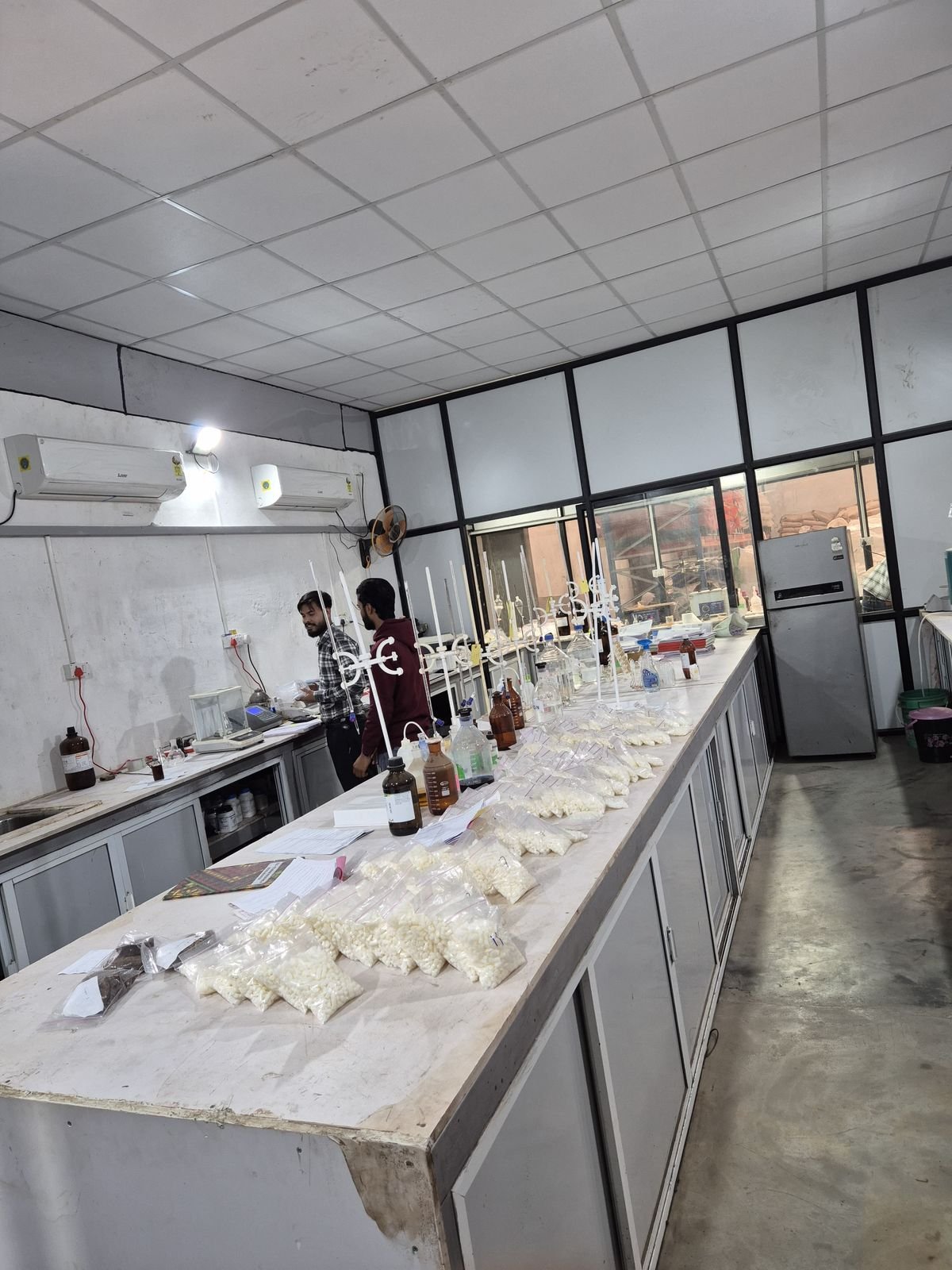
Oleochemicals from Anjar, Gujarat
Stearic Acid Manufacturers and Suppliers in India
Stearic acid is a core ingredient in rubber, plastics, cosmetics, candles and soaps. Aveer Oils and Fats Pvt. Ltd. lists stearic acid among its products and runs 500+ TPD of splitting, distillation, hydrogenation and soap noodling capacity in Gujarat. Send your requirement for grades, availability and a written quote.
Share grade, monthly volume, packaging form and delivery destination for a useful quote.
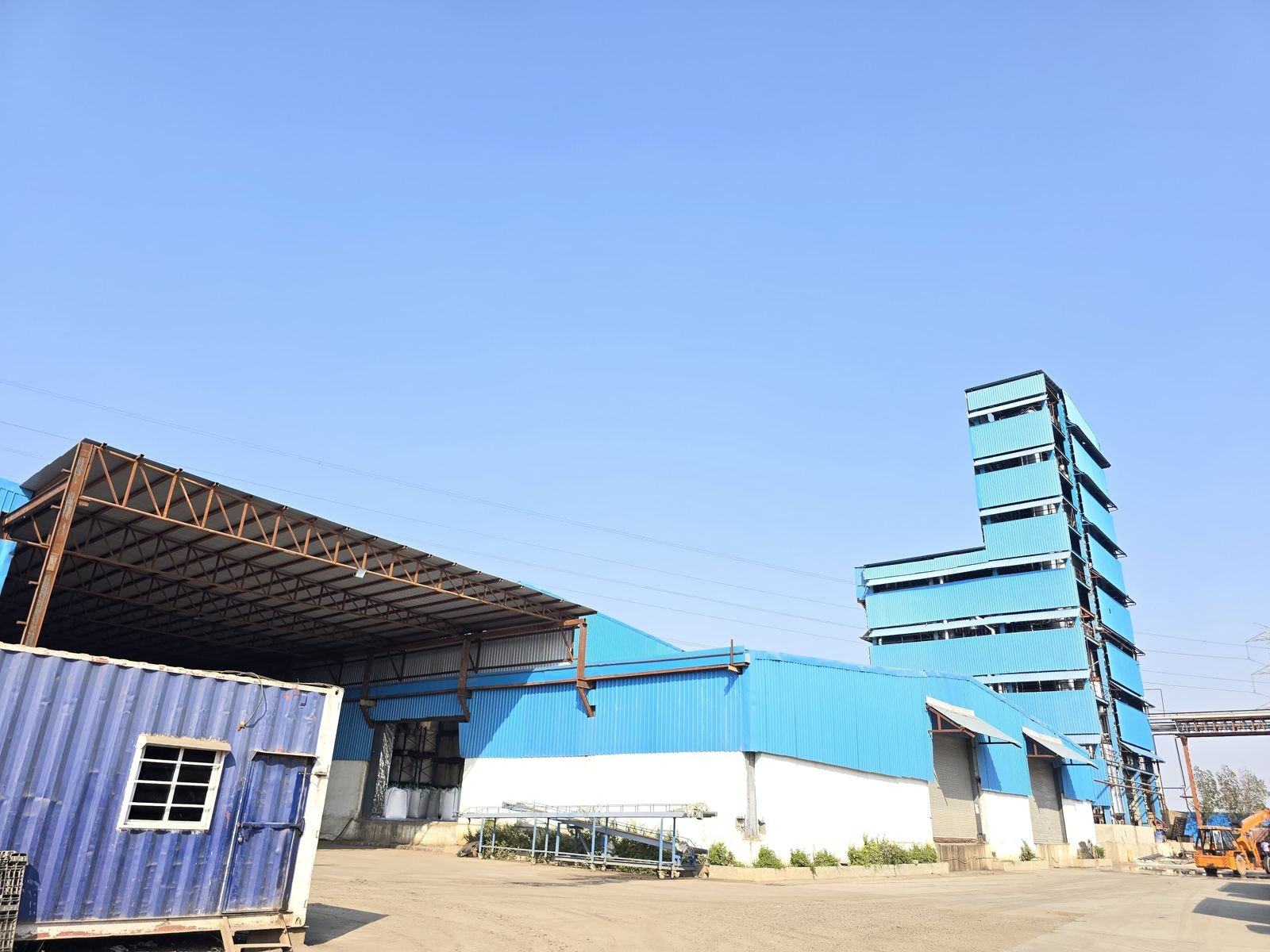
Manufacturer in GujaratFacility in Tappar, Anjar, Kutch
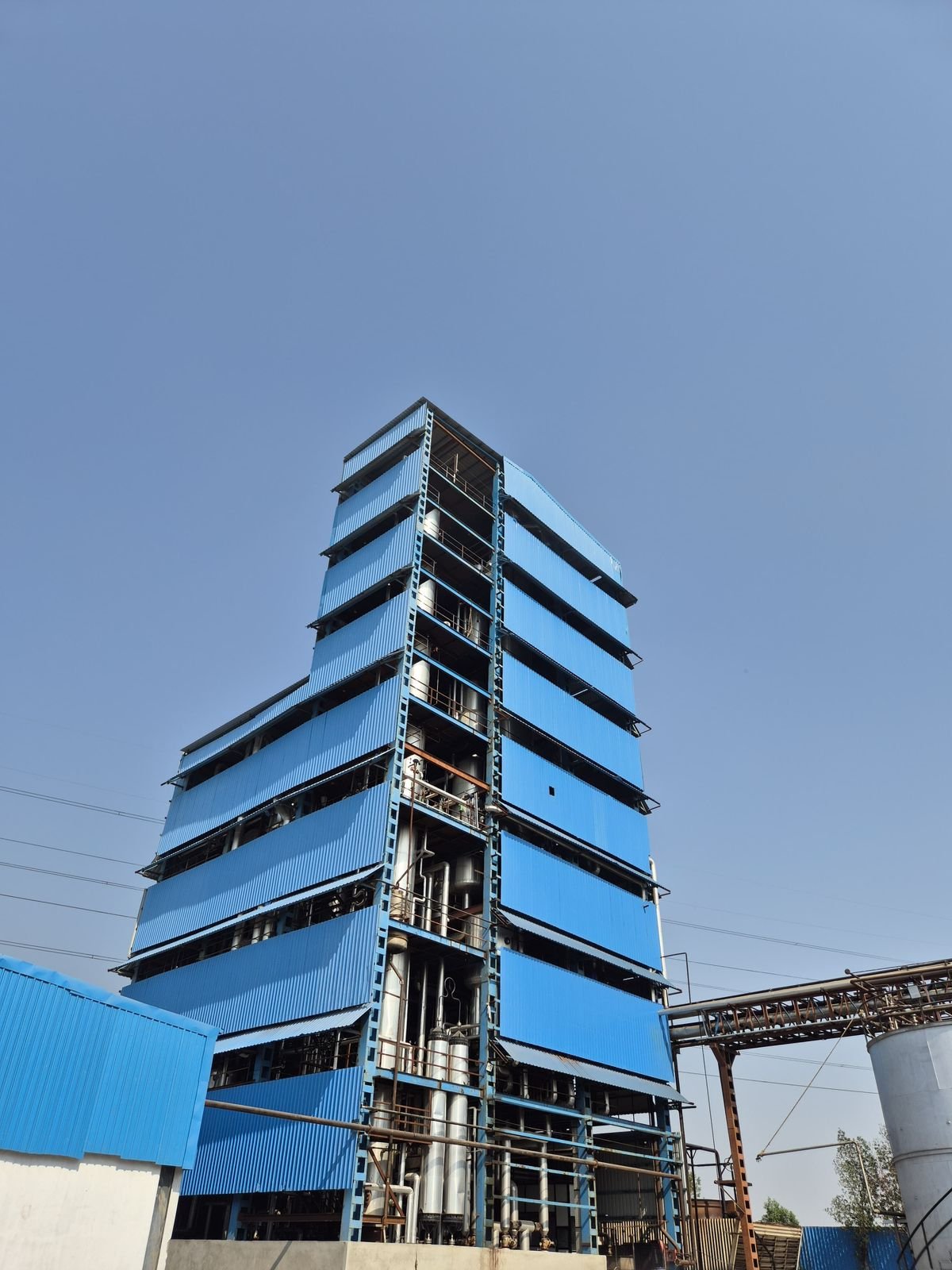
Core processes in-houseSplitting, distillation and hydrogenation
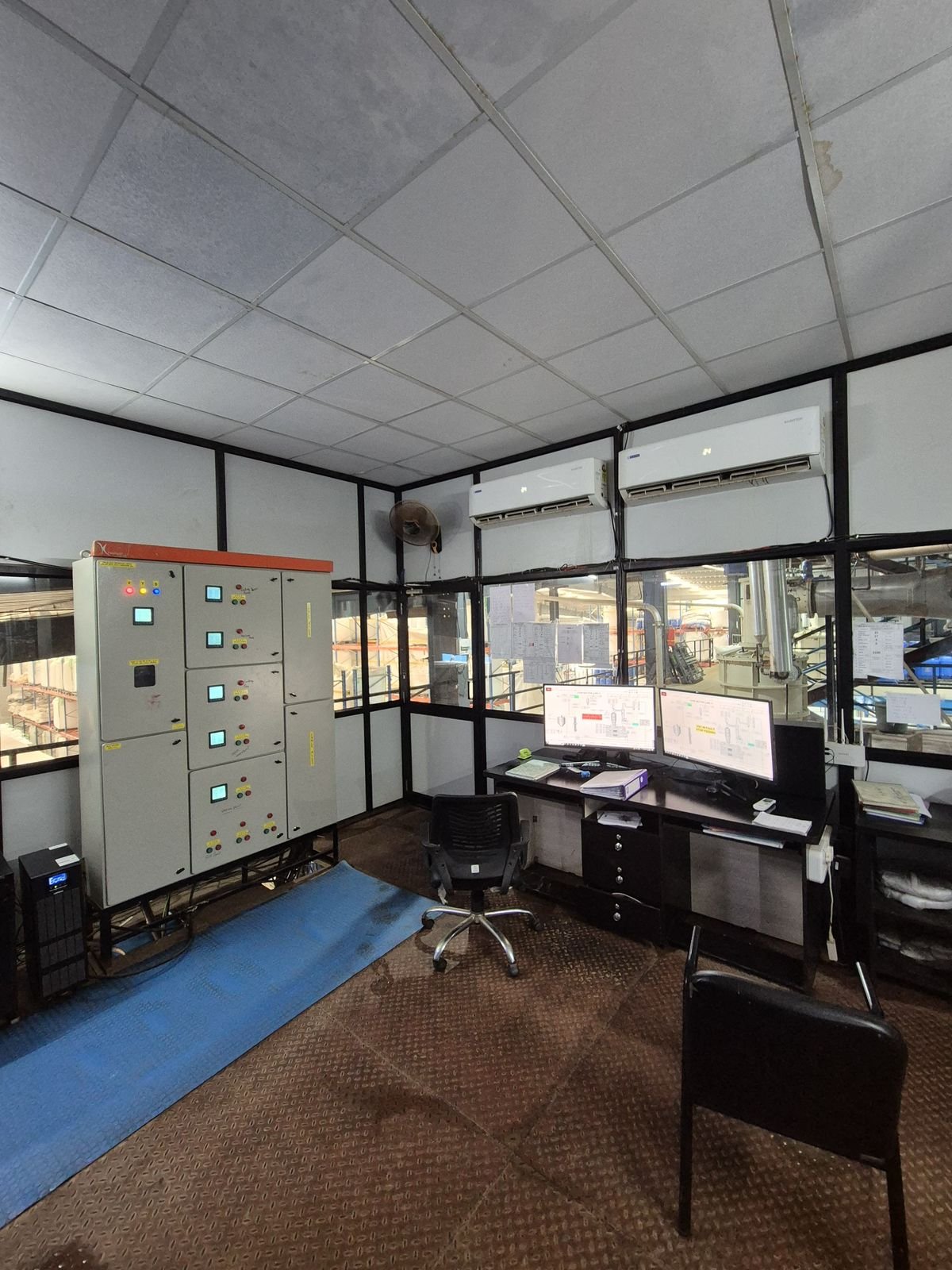
Quality systemsGPCP, USQS, Smith Audit and URSA audit listed
What is stearic acid?
Stearic acid (octadecanoic acid, C18H36O2) is a saturated fatty acid with an 18-carbon chain. Pure stearic acid is a white, waxy solid melting at about 69 °C. Commercial stearic acid is usually a blend of stearic and palmitic acid, made from palm oil or other vegetable fats, and its properties depend on the ratio between the two.
Why industries use it
Stearic acid is stable, non-toxic and has a high melting point. It acts as a lubricant, a hardener, an emulsifier and an activator, and it is the starting point for stearates, esters and other derivatives. Because it is fully saturated, it resists oxidation and stays consistent in storage.
Stearic acid manufacturers in India
Indian stearic acid comes from oleochemical plants that split fats, then distil and hydrogenate the fatty acids. Buyers source from manufacturers directly or through traders and importers.
Aveer lists stearic acid among its products, with splitting, distillation and hydrogenation operations at Anjar. Contact the team to confirm current grades, forms and volumes.
How stearic acid is manufactured
The usual route turns a fat into pure fatty acids, then hardens and separates them. Each step changes colour, iodine value and the stearic to palmitic ratio, so it is worth knowing before comparing suppliers.
Fat splitting
Palm-based fats are hydrolysed with water under heat and pressure into fatty acids and glycerine.
Distillation
Vacuum distillation removes colour, odour and heavy residue to give a clean fatty acid stream.
Hydrogenation
Unsaturated acids such as oleic acid are hydrogenated to stearic acid, which raises hardness and stability.
Separation and finishing
Pressing or fractionation sets the stearic to palmitic ratio, then the product is flaked, beaded or powdered.
Grades are often described as single, double or triple pressed. More pressing generally means a lower oleic acid content, a lower iodine value, a higher melting point and a whiter product. Ask each supplier what its grade names mean in numbers.
Stearic acid applications by industry
Demand for stearic acid is spread across many sectors, and each one cares about a different property.
Activator in vulcanisation, helping dispersion of fillers and curing in tyres and rubber goods.
Lubricant, and the raw material for calcium, zinc and magnesium stearates used as stabilisers.
Thickener and emulsifier in creams, lotions and shaving products, usually in a light, low-odour grade.
Hardens candles and improves their burn, and adds firmness and a pearly finish to soaps.
Other uses include textile softeners, polishes, lubricants, pharmaceutical excipients such as magnesium stearate, and metal-working products.
Stearic acid grades and specifications to compare
Two lots sold as the same grade can differ a lot. Compare the technical data sheet (TDS) and the lot-specific certificate of analysis (COA). The values below are indicative market ranges, not Aveer's specification.
| Ask the supplier | Why it matters |
|---|---|
| What do your grade names mean in numbers? | "Triple pressed" and similar labels are not standardised across producers. |
| Which form and pack sizes are available? | Flakes, beads or powder, in bags or bulk, change handling, dust and freight. |
| Do you issue a COA with every lot? | It lets your receiving team check each delivery against the agreed limits. |
| What is the feedstock and its traceability? | Palm-based origin affects sustainability documentation for some buyers. |
Stearic acid suppliers in Ahmedabad and across India
Ahmedabad is a major centre for rubber, plastics, cosmetics, chemicals and textile units, and many of them buy stearic acid regularly. Aveer's plant sits in Anjar, Kutch, in the same state, close to the Deendayal (Kandla) and Mundra ports.
Supply from Gujarat
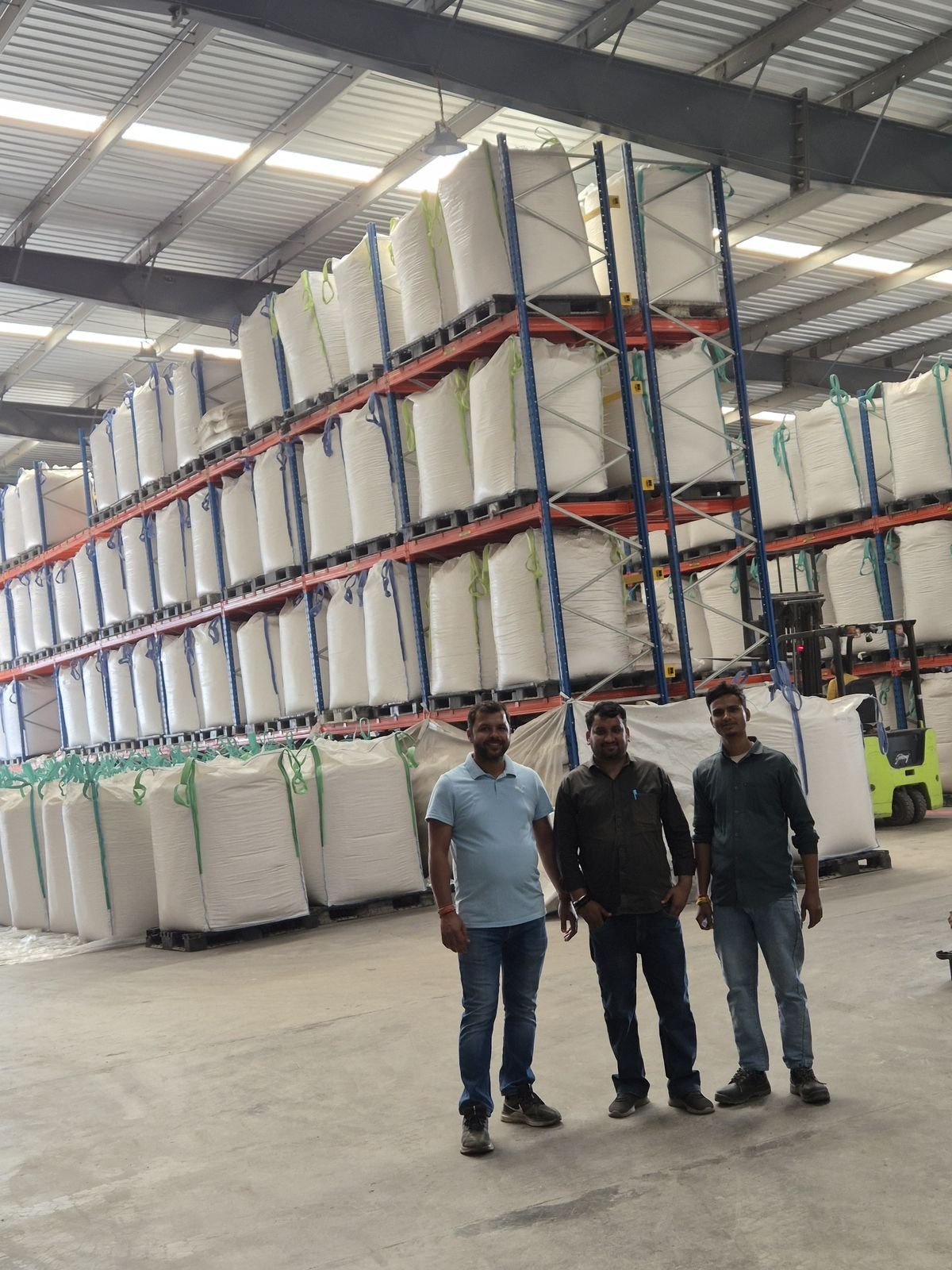
Buyers in Ahmedabad, elsewhere in Gujarat and across India can enquire for delivery. Aveer lists 30,000 sq. ft. of warehouse space and 2,000 tonnes of storage capacity, which supports regular and bulk dispatches. Confirm the dispatch point, delivery coverage and lead time for your location.
Why buyers talk to Aveer
Aveer was established in 2019 on a family legacy of more than 42 years in oils and fats. It lists contract manufacturing, strategic sourcing and quality assurance services, with GPCP, USQS, Smith Audit and URSA audit certifications, which suits buyers who want one partner from raw material to dispatch.
Stearic acid price: what decides it
There is no single stearic acid price. It moves with the palm oil market and changes by grade, quantity, packaging and delivery location. Compare suppliers on the same specification and terms, or the quotes will not be comparable.
| Price factor | How it affects the rate |
|---|---|
| Palm oil and feedstock market | Raw material cost is the biggest driver and changes through the year. |
| Grade and purity | Higher stearic content, lower iodine value and lighter colour usually cost more. |
| Form and packaging | Flakes, beads, powder and pack size all change processing and handling cost. |
| Quantity and frequency | Larger and regular orders can be priced differently from a one-time lot. |
| Freight, taxes and payment terms | Delivered cost depends on distance, GST and credit terms. |
For an Aveer quotation, send the grade or TDS, quantity, form and packaging, delivery location and target dispatch date. Ask for the price basis, validity, taxes, freight and payment terms in writing.
Stearic acid FAQs
What is stearic acid used for?
Mainly as a rubber activator, a PVC and plastics lubricant, a raw material for metal stearates, a thickener in cosmetics, and a hardener in candles and soaps.
Who are the stearic acid manufacturers in India?
Stearic acid is made by oleochemical plants that split, distil and hydrogenate fats. Aveer Oils and Fats lists stearic acid among its products at Anjar, Gujarat. Contact the team to confirm current grades and volumes.
Do you have stearic acid suppliers in Ahmedabad?
Aveer's plant is in Anjar, Kutch, Gujarat. Buyers in Ahmedabad can enquire for delivery, and the team can confirm dispatch point, lead time and freight for your location.
What is the stearic acid price?
It depends on grade, quantity, packaging, freight and the palm oil market, so it changes over time. Send your specification and delivery location to receive a written quotation.
What do single, double and triple pressed mean?
They describe how many times the fatty acid mix is pressed to remove liquid oleic acid. More pressing gives a harder, whiter product with a lower iodine value, but the exact numbers vary by supplier, so ask for them.
Which specifications should I compare?
Compare the stearic to palmitic ratio, acid value, saponification value, iodine value, titre, colour and moisture against your purchase specification and the lot-specific COA.
Request stearic acid specifications and pricing
Send your grade or TDS, quantity, form and delivery destination. Aveer's team can confirm current grades and supply options.